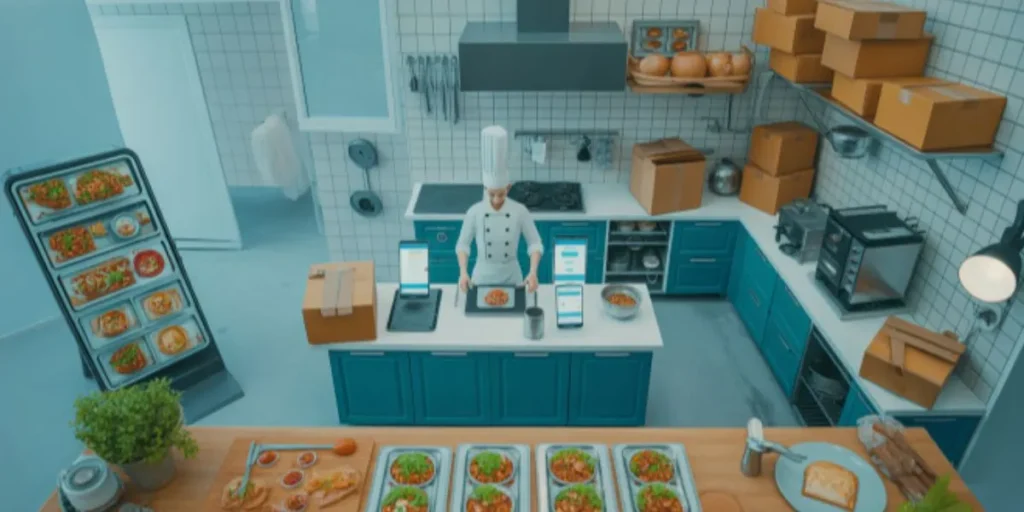
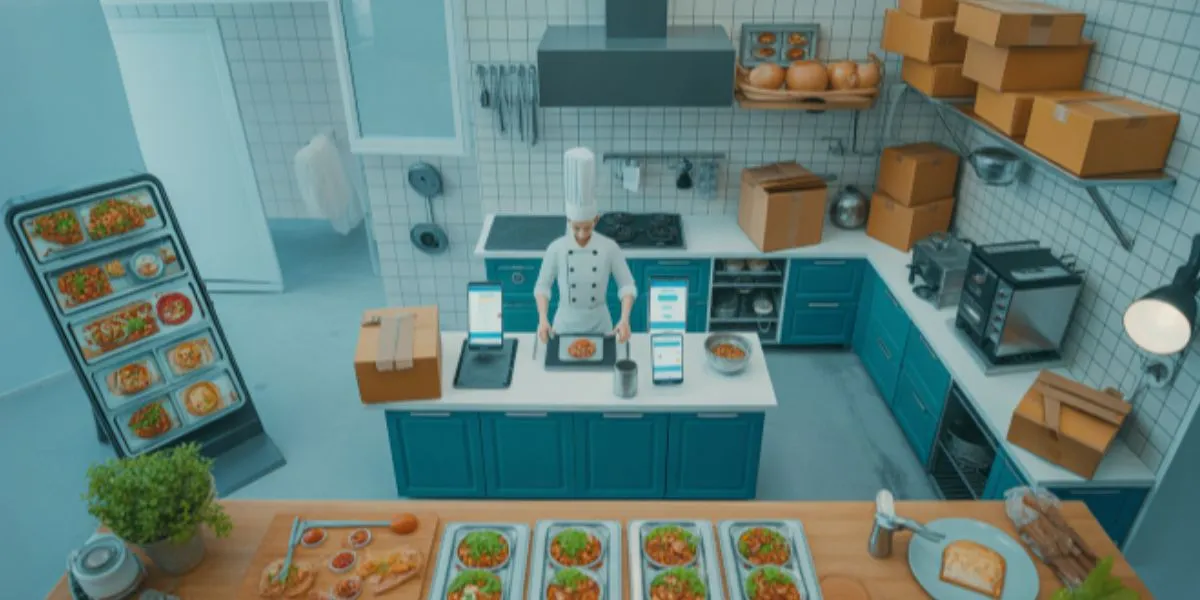
The way we consume food has changed dramatically over the last few years, and this has created great opportunities for entrepreneurs. Today, the way we eat has changed, with convenience being the key decision driver. Online ordering of food has become a daily habit for millions of people. It has been reported that the cloud kitchen market, which was valued at $44.9 billion in 2023, is estimated to reach $154.9 billion by 2035, growing at a CAGR of 11.0% from 2024 to 2035.
This growth cannot be attributed to any other factor than the increasing number of smartphone users, the increasingly busy lives of Indians, and the increasing demand for quick, affordable, and home-cooked meals. Additionally, the fact that more and more people are open to trying new brands of food they come across on the internet, rather than going to a restaurant, has made cloud kitchens one of the most accessible businesses.
If you have thought of starting your own business, then now is the right time to learn. In this article, we will clearly explain how to start a cloud kitchen business in India, with everything you need to know about the journey. So, let’s begin!
What Is a Cloud Kitchen?
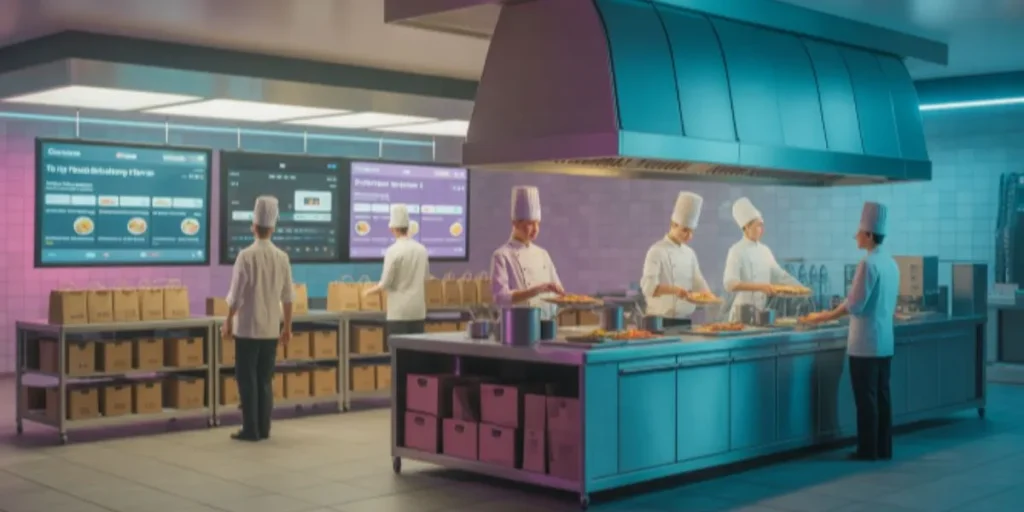
A cloud kitchen is a food delivery-based business that does not require a dine-in space. Customers order through apps such as Zomato or Swiggy, and we prepare and deliver food directly to them.
This eliminates high costs such as renting, decorating, and hiring staff. Furthermore, we are able to run multiple brands out of one kitchen, making it extremely flexible and profitable for those who are new and learning how to start a cloud kitchen business.
Why Cloud Kitchens Are Growing
The demand for online food delivery is rising each and every year, and cloud kitchens are ideal for this new way of eating. Whether you are craving food at midnight or need to grab a quick meal at work, ordering food is a must. Here are some reasons why cloud kitchens are growing rapidly:
- Rising Demand: Online food delivery is rising by more than 20% each year in cities across the country. In other words, people love ordering in, and this trend continues to grow each and every year.
- Lower Costs: The cost of setting up and running a cloud kitchen is significantly lower, around 50-60% lower than a traditional restaurant, making it an ideal choice for new entrepreneurs. You don’t need to worry about the interior or location, so that you can focus on the food.
- Urban Lifestyle: In today’s busy schedule, when people are working for long hours, cooking food is not a feasible option. Hence, food apps are a great solution for them.
- Multiple Revenue Streams: With a cloud kitchen, you can operate many brands from a single kitchen. You can sell biryani, desserts, and snacks from a single location. This is a clever business move to increase your revenue without increasing your expenses or area.
- Tech Advancements: Today, almost every individual owns a smartphone. With apps just a single click away, ordering food is no longer a challenge. Moreover, other features such as real-time tracking, offers, and easy payment options are making food apps a popular choice among customers.
Can You Start a Cloud Kitchen from Home?
Starting from home is one of the most amazing advantages when learning how to start a cloud kitchen business, especially when you are a beginner and do not want to spend too much on your business venture. Here’s why starting from home is best:
- Low Investment: You can start your business venture from home with a mere investment of just Rs. 50,000 to Rs. 2 lakh by using your existing kitchen setup.
- Flexible Working: You have the option of making it a part-time or full-time business as you wish. People have the option of starting their cloud kitchen after work or on the weekend and then moving towards making it a full-time job.
- Small Menu: Starting off with a small menu of 5-10 dishes is always a great idea. It’s a great way of keeping things simple and easy, and focusing on making these dishes great rather than trying to do everything at once.
- Local Reach: Starting off small and catering to the local population is a great idea, as people are always happy and loyal customers. Happy customers are the best and are likely to return and even refer you to their friends and family.
- Easy Scaling: The best part about a cloud kitchen is that you have the option of slowly upgrading your kitchen as your order volume increases and moving to a bigger place. The journey is less risky and far more comfortable this way.
Is Cloud Kitchen Legal in India?
Cloud Kitchen is completely legal in India, and like any other business, you need to follow a few rules before you begin your journey as a cloud kitchen entrepreneur in India. Don’t worry, the process is quite easy and simple once you get the hang of it.
Step-by-Step Guide to Start a Cloud Kitchen: 2026 Guide
Opening a cloud kitchen is a straightforward process, but following a set of guidelines is always beneficial in a successful and profitable manner. Here is a detailed guide on how How to Start a Cloud Kitchen Business in a step-by-step manner.
Step 1 – Choose a Niche & Menu
Choosing the Right Niche is the most important step in opening a cloud kitchen. You should study the market, the most ordered foods, and the least competitive cuisines in your city. Here’s what else you need to consider:
- Cuisine Selection: Select a cuisine like North Indian, Chinese, Desserts, or Healthy Food. Sticking to a single cuisine is always beneficial in establishing your brand and making it easy for your customers to remember you.
- Limited Menu: Your menu should have 8-15 dishes in the beginning. The fewer the number of dishes, the higher the quality you can maintain in your food.
- Delivery Friendly: Focus on dishes that travel well and taste good even after 20-30 minutes. This is important because delivery directly impacts customer reviews.
- Avoid Risky Items: Steer clear of dishes that can spoil quickly or lose texture. Such dishes can cause negative customer reviews if not prepared carefully.
- Recipe Testing: It is important to test your recipes several times before launching. This is because it will help you rectify issues such as taste, portion size, and presentation.
Once you have finalized your menu, standardize your portion sizes and ingredients. This is very important when building customer trust and learning how to start a cloud kitchen business.
Step 2 – Create a Business Plan
A business plan helps you stay organized and track your progress effectively when learning How to Start a Cloud Kitchen Business. It acts like a roadmap so you know where you are going and how to get there. Start by defining your target audience, pricing strategy, and expected costs. Also, calculate how many orders you need daily to cover expenses and start making a profit.
- Target Audience: Identify who your customers are, such as students, working professionals, or families. This helps you design your menu and pricing accordingly.
- Pricing Strategy: Plan your pricing based on food cost, competitor pricing, and delivery platform commissions. This helps you stay competitive while still making a profit.
- Expense Planning: Estimate your monthly expenses, including rent, raw materials, packaging, and marketing. Knowing your costs helps you avoid financial surprises.
- Revenue Goals: Set realistic daily and monthly revenue targets. This gives you a clear idea of how your business is performing.
- Marketing Plan: Decide how you will promote your kitchen, whether through social media, ads, or influencer collaborations.
Keep reviewing your plan regularly and adjust based on what is working and what is not.
Step 3 – Set Up Kitchen (Home or Rental)
The setting up of the kitchen will play a vital role in ensuring efficiency and hygiene. If you choose to start from home, you should set up your kitchen properly to ensure you do not get confused during peak hours. On the other hand, if you choose to rent a space, you should ensure you rent a space close to your delivery location. Additionally,proper planning is essential in How to Start a Cloud Kitchen Business to maximize efficiency and customer satisfaction.
- You should buy the necessary items, including a stove, refrigerator, and utensils.
- You should set up separate areas for cooking, preparing, and packaging.
- Proper ventilation and hygiene should be observed.
- Proper storage should be observed.
Having a proper kitchen structure will ensure efficiency and accuracy during peak hours.
Step 4 – Get Required Licenses
Obtaining the necessary licenses is vital to ensuring the smooth operation of the business without interruptions. The following licenses should be obtained:
- FSSAI Registration
- GST Registration
- Shop License
- Fire Safety Approval
- Trade License
Step 5 – Documents Required
Having all the documents ready will ensure the smooth processing of the registration.
The following documents should be prepared:
- Identity Proof
- Address Proof
- Kitchen Layout Plan
- Food Safety Management Plan
- Bank Account Information
Having all the documents ready will ensure smooth processing.
Step 6 – Partner with Delivery Platforms
Partnering with the right delivery platforms will play a vital role in ensuring you reach a larger clientele. The delivery platforms will act as the sales force, especially during the initial stages of How to Start a Cloud Kitchen Business.
The kitchen should be registered, and all the details should be carefully filled.
- Platform Signup: Sign up on platforms like Zomato and Swiggy to start receiving orders.
- Menu Details: Provide details such as dish names, descriptions, and pricing to help customers understand what you are offering.
- Food Photos: Provide high-quality photos to showcase how appetizing your food is.
- Delivery Area: Set up a delivery area to ensure that food is delivered to customers in time and in good condition.
- Review Management: Monitor reviews regularly and improve where necessary.
These are important platforms to help you scale your business faster.
Step 7 – Branding & Packaging
Your packaging is the sole point of interaction with your brand, and hence it should be impressive and long-lasting. The impression that your packaging will create in the minds of customers when they receive your food is the impression they will have of your food even before they start eating it. This is why investing in good packaging is not just for safety, as discussed in the previous step, but also essential in How to Start a Cloud Kitchen Business for creating your brand’s identity.
Step 8 – Marketing Your Cloud Kitchen
It is important to market your business to gain new customers and retain existing ones. Start with simple marketing and then move to more complex marketing as you progress. You can:
- Create Social Media Pages: Create social media pages to increase customer reach.
- Local Advertising: Advertise locally to increase customer reach.
- Discounts: Offer discounts to first-time customers.
- Food Bloggers: Partner with food bloggers to market your food.
- Customer Reviews: Encourage customers to write reviews for you.
Good marketing is one of the most important factors in mastering how to start a cloud kitchen business successfully.
Licenses & Documents Required
Before you start, you need proper approval. You may think this is paperwork, but this helps you run your business smoothly and gain the trust of customers. These include:
- FSSAI License: This is mandatory for any food business in India and covers food safety and hygiene standards. It also reassures customers that your kitchen follows proper practices, which is very important for building credibility in How to Start a Cloud Kitchen Business.
- GST Registration: This is needed if your turnover crosses the required limit or if you want to partner with delivery platforms. It also helps you manage taxes properly and keeps your business financially organized.
- Trade License: Issued by your local municipal authority, this license gives you permission to run your business legally in a specific area. Without it, you may face fines or operational issues later.
- Fire Safety: Even a small kitchen should have basic safety measures like fire extinguishers in place. This not only protects your setup but also shows that you take safety seriously.
- Address Proof: You will need valid address proof for verification during registration. This helps authorities confirm your business location and keeps your documentation clear.
How to Register on Zomato
One of the simplest methods of achieving orders in a short period is by registering on Zomato. It gets you in touch with a big customer base and makes you grow exponentially in the very beginning of How to Start a Cloud Kitchen Business. The process includes:
- Sign Up: Begin by registering your account on the partner portal of Zomato. This is where you begin by registering your online kitchen and begin your online life.
- Send Documents: Add all the needed documents, such as the FSSAI license, GST information, and identity evidence. This measure must be verified prior to the opening of your kitchen.
- Menu Listing: List your meals with explicit names, descriptions, and prices. A menu that is creatively written will make the customers know what you are offering and have a high chance of orders.
- Photo Upload: Add good-quality food pictures that are appealing and realistic. Good pictures are significant in making people buy your food.
- Go Live: After all the checks and approvals are made, your kitchen will be visible on the platform. It is here that you are able to begin taking and handling orders on a daily basis.
Cost Breakdown
The investment that is required to start a cloud kitchen is not that massive, unlike with restaurants, although it is always necessary to budget your costs accordingly. Here is a realistic breakdown:
| Expense Category | Estimated Cost (INR) |
| Kitchen Setup | ₹1,50,000 – ₹3,00,000 |
| Equipment & Utensils | ₹1,00,000 – ₹2,50,000 |
| Licenses & Registration | ₹20,000 – ₹50,000 |
| Raw Materials | ₹30,000 – ₹80,000 |
| Packaging | ₹15,000 – ₹40,000 |
| Marketing | ₹20,000 – ₹1,00,000 |
| Miscellaneous | ₹20,000 – ₹50,000 |
| Total Estimated Cost | ₹3.5 lakh – ₹8 lakh |
The cost can be further reduced in case you work at home, thus it is a great choice when studying how to start a cloud kitchen business on a budget.
Profitability of Cloud Kitchen
When operated correctly, cloud kitchens can start making a profit after 6-12 months. Profit margins tend to be 15% to 35% in relation to pricing, demand, and your ability to control your costs.
There is also no dine-in cost, so your biggest concern is delivery, packaging, and the quality of food. Profitability is made easy to enjoy in the long run in How to Start a Cloud Kitchen Business, as long as you take care of these properly and ensure that there is regularity in creating orders.
Challenges You Would Likely Face While Operating a Cloud Kitchen
Every business is exciting, and a cloud kitchen is no exception. Yet there are some threats and pains in its way. Knowing about them at an early stage in How to Start a Cloud Kitchen Business will enable you to deal with them more efficiently:
- Strong Competition: There are numerous cloud kitchens that can be found within the same region, and it is significant to be distinguished. To be noticed, you require a solid menu, a quality brand, and consistent quality.
- Delivery Delays: Occasionally, the causes of delays include traffic jams or delivery partner problems. Certainly, customers may judge your service on the basis of the experience, even though it is not your fault.
- Delivery apps: You pay commissions on every order, and this may decrease your profits. This is the reason why you should price your menu properly.
- Quality Control: It may be difficult to have the same taste and quality every day, more so on busy days. Consistency is the key to returning customers.
- Customer Retention: It is one thing to attract new customers, but it is another to retain them. To gain a loyal customer base, you require good food, delivery at the right time, and a good experience.
Tips for Success
Nothing can be more significant than concentrating on the fundamentals if you want to succeed in starting a cloud kitchen business. The following tips will assist you in achieving greater success:
- Quality Focus: Taste and hygiene must be consistent in your food. The customer’s trust can be influenced by one bad experience, hence the need for consistency.
- Smart Pricing: Set prices on your dishes in a manner that is appealing to the customers, but at the same time pays the costs. The balance is also significant in ensuring long-term profitability.
- Good Packaging: Invest in packaging of fresh food that remains intact till delivery. Your brand image is contributed to by the good packaging, as well.
- Customer Feedback: Enquire about customer reviews and feedback. It will make you know what is working and what should be improved.
- Simple Menu: Maintain your menu and do not overload it with too many things. A smaller, better executed menu is easier to handle and to do better.
Business Models
Cloud kitchens provide flexibility in the manner of running your business. The models vary by their goals and costs in How to Start a Cloud Kitchen Business:
Single Brand
This model focuses on one cuisine or concept, helping you build a strong identity. It is easier to manage and perfect for beginners.
Multi-Brand
You can run multiple brands from the same kitchen, offering different cuisines. This helps you target different customer groups and increase revenue.
Aggregator Model
In this setup, multiple vendors share a common kitchen space. It reduces individual costs and is great for those starting with a limited investment.
Franchise Model
You operate an already established brand under license. This reduces risk as the brand already has recognition and demand.
Hybrid Model
This combines cloud kitchen operations with takeaway services. It gives you both online and offline customers, increasing your overall reach.
Conclusion
One of the best ways of venturing into the food industry today is starting a cloud kitchen. It is flexible, has less investment, and reaches a wide customer base via online platforms. Additionally, it is possible to know how to start a cloud kitchen business to plan it better and to avoid the most frequent errors. Whether it is the selection of the appropriate menu, operations, and marketing, all these are significant in your success.
The secret of long-term growth is consistency. Customers always demand the same taste, quality, and service whenever they place an order. Being able to keep that, your brand is bound to grow automatically due to repeated orders and positive reviews. With proper focus, cost management, and continuous enhancement of your services, your cloud kitchen may become a consistent and lucrative enterprise in the long run.
Visit for More Information:
FAQs
1. What investment is required to start a cloud kitchen?
The investment varies depending on how you start this venture. If you start from home, then you can start with an investment ranging from ₹50,000 to ₹2 lakh. But if you plan to start this venture as a full-fledged cloud kitchen with proper equipment, then you will require an investment of up to ₹3 to ₹8 lakhs.
2. How long does it take to start a cloud kitchen business?
It takes around 2-6 weeks to start a cloud kitchen business. However, this time may vary depending on how soon you are able to get your cloud kitchen ready. If you already have your home kitchen set up, you can start your cloud kitchen business sooner.
3. Can I start my cloud kitchen from my home?
Yes, starting from home is one of the easiest ways to start. In fact, many successful owners of cloud kitchens have started from home, with basic licenses, offering a small menu. It gives you the opportunity to test your idea, understand your customers, and scale up your business without taking any major financial risks.
4. What food is good for a cloud kitchen?
Food that travels well and remains fresh during delivery is good for cloud kitchens. Food items like biryani, rolls, Chinese food, pasta, burgers, and desserts are popular choices for cloud kitchens.
5. Do I need an FSSAI license for a cloud kitchen?
Yes, you need an FSSAI license to start any food-related business in India, including cloud kitchens. This license assures that your cloud kitchen complies with good food safety and hygiene practices.