

In this highly competitive business world, it requires more than a hunch to be ahead of your competition; you require data-based knowledge and business foresight. As the markets evolve at lightning speed and customers switch their preferences overnight, businesses need powerful systems that will assist them in monitoring the actions of their competitors, any trends in the industry, and emerging opportunities before they go mainstream. Here is where one can speak of competitive intelligence tools that could be regarded as the priceless resource of the modern business.
Competitive intelligence tools are a mature market and offer a range of solutions to meet the needs of different businesses, such as a large-scale enterprise platform or a particular digital marketing analyser. To maximise your investment, it is also necessary to know which tool will work best in terms of your strategic objectives, operational needs, and financial possibilities. It is a comprehensive list of the top 11 competitive intelligence tools in the market, their features, strengths, weaknesses, and pricing models, so that you can make a well-informed decision that will grow your business.
What are Competitive Intelligence Tools?
Competitive intelligence tools are special software programs installed to gather, process, and deliver data on competitors, market forces, industry trends, and customer behaviours in an organised manner. These digital products would make the heavy, human-intensive process of exploring the competitive environment automated, clearing the path to manual research and enabling the AI-based collection and analysis of data.
The modern competitive intelligence systems utilise new technologies like artificial intelligence, machine learning, and natural language processing to sift through the thousands of sources within a few seconds. They track the activities of competitors on multiple streams, such as site behaviour and price changes, social media promotion, and product delivery, and send real-time updates and dashboards that give a very specific strategy decision-making tool.
Essential Features to Look for in Competitive Intelligence Tools
To choose the appropriate competitive intelligence platform, it is necessary to carefully consider the features that will meet your business goals and business processes. Although various organisations emphasise various capabilities depending on their industry, size, and strategic focus, some fundamental functionalities help to draw the line between a really effective competitive intelligence solution and a mere monitoring tool.
- Multi-Source Data Aggregation: This is based on the principle that proper coverage of data is the basis of effective competitive intelligence.
- Monitoring and Alerts: Real-time: Speed is an issue in competitive strategy.
- High-End Analysis and Visualisation: Raw data cannot be valuable until it is turned into an action.
- Customisation and Filtering: Each business has its own intelligent needs. High-quality competitive intelligence tools come with powerful taxonomy builders, adaptable tags, an expanded filter, and custom newsfeed management, filtering out noise and filtering out only material that will be relevant to your unique Key Intelligence Questions and strategic priorities.
- Collaboration and Distribution: Intelligence is effective when distributed throughout the company.
Comparison Table for Competitive Intelligence Tools
| Tool Name | Rating | Best Feature |
| SEMRush | 4.5/5 | Comprehensive digital marketing intelligence |
| Contify | 4.7/5 | AI-powered, customizable intelligence platform |
| Google Alerts | 3.8/5 | Free basic monitoring capabilities |
| Similarweb | 4.4/5 | Deep website traffic analytics |
| AlphaSense | 4.6/5 | Extensive expert call library |
| Crayon | 4.3/5 | Sales-focused battle cards automation |
| Watchmycompetitor | 4.2/5 | Hybrid automated and human analysis |
| Kompyte | 4.1/5 | Win/loss analysis integration |
| SpyFU | 4.0/5 | Detailed PPC competitor research |
| Wide Narrow | 4.3/5 | Flexible reporting engine |
| Valona Intelligence | 4.2/5 | Full-service global coverage |
Top 11 Competitive Intelligence Tools
1. SEMRush
Rating: 4.5/5
Website: https://www.semrush.com/projects/
Best Use Cases: Digital marketing optimisation, SEO strategy development, and paid advertising analysis
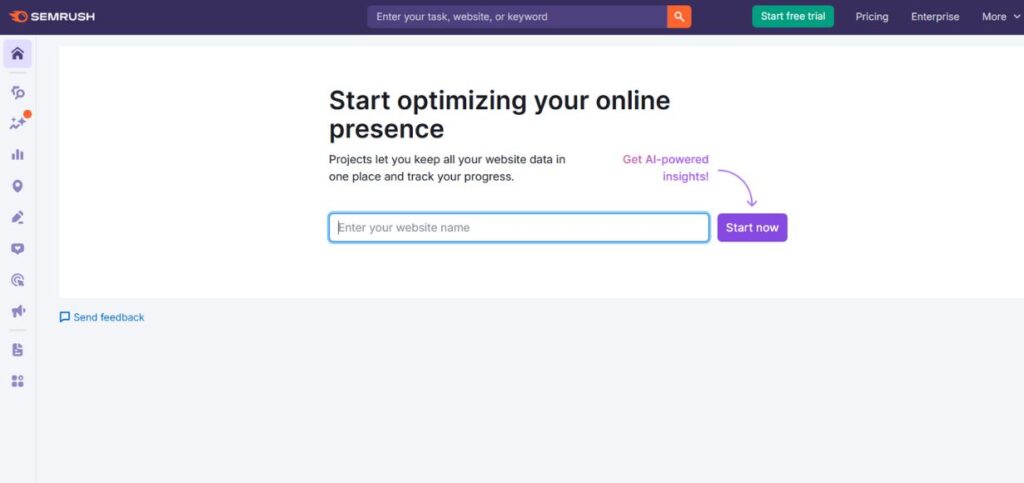
SEMRush is an all-inclusive online marketing intelligence tool that enables organisations to streamline their Web presence by using an in-depth competitive review. This full-service solution has an in-depth understanding of digital practices of competitors, such as organic search data, paid search campaigns, content marketing efforts, and social media.
Key Features:
- Domain analytics capabilities
- Keyword research tools
- Backlink analysis functionality
- Advertising research modules
- On-page SEO checker
Pros:
- Comprehensive competitor digital insights
- Accurate organic traffic data
- Detailed site audit functionality
Cons:
- Limited traditional market intelligence
- Data accuracy concerns reported
- Expensive tiered pricing structure
Pricing: Plan starts at $129.95 monthly
2. Contify
Rating: 4.7/5
Website: https://www.contify.com/
Best Use Cases: Enterprise market intelligence, multi-functional competitive tracking, and global intelligence coverage
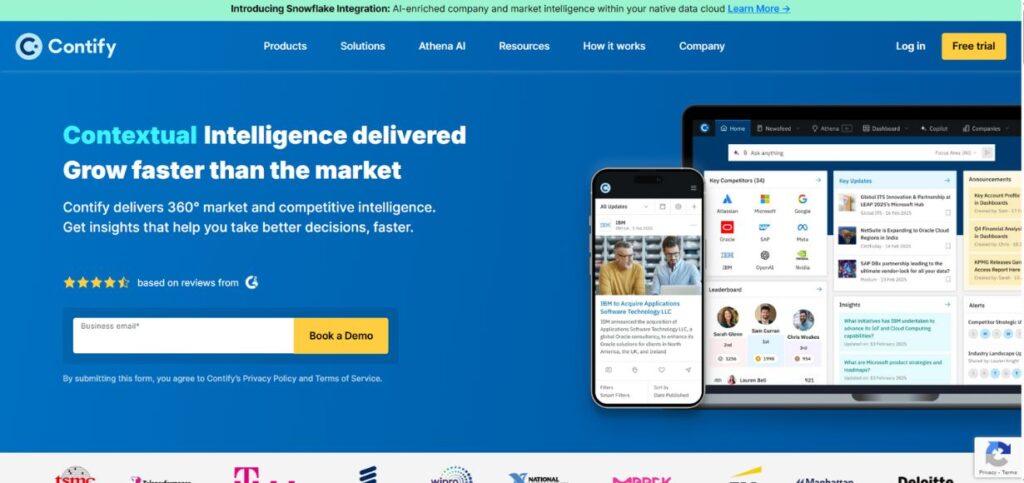
Contify is a strong market and competitive intelligence service that is specifically designed to enable companies to closely monitor competitors, consumers, partners, and industry segments in a systemised manner. The main advantage of this AI-based solution is a unique approach to the problem of artificial intelligence based on Key Intelligence Questions that make sure that collected insights are directly related to strategic priorities instead of generating information overload. The platform has the advantage of providing noise-reduced, curated content of various types of intelligence, such as online news, company websites, social media, regulatory portals, and niche content providers.
Key Features:
- Global and curated newsfeeds
- Customizable taxonomy builder
- Website change tracking
- Newsletter management system
- Multi-language intelligence coverage
Pros:
- Excellent customer support team
- Highly flexible platform architecture
- Centralised intelligence repository
Cons:
- Steep initial learning curve
- No expert call library
- Not suitable for PR monitoring
Pricing: Custom pricing
3. Google Alerts
Rating: 3.8/5
Website: https://www.google.co.in/alerts
Best Use Cases: Basic brand monitoring, keyword tracking, and entry-level competitor awareness
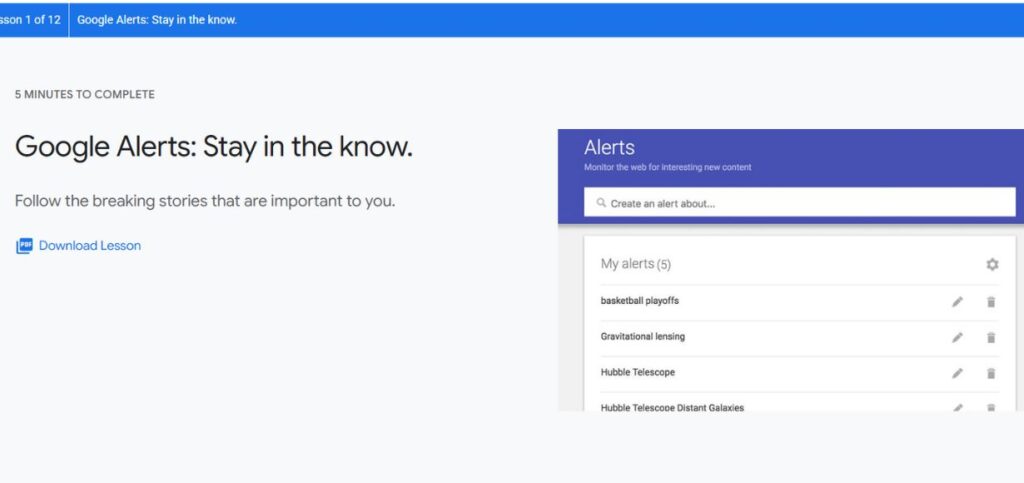
Google Alerts is an intuitive, free online monitoring platform that allows both large and small businesses to monitor without the need to pay more. It is a basic tool that sends an email message whenever new material is posted online that meets certain search criteria so that a user can stay up-to-date about being mentioned in a brand, what a rival is doing, what is going on in the industry, and what current news is saying. Google Alerts is not as sophisticated as higher-end competitive intelligence tools, but it presents a good point of entry to organisations that are just starting their competitive intelligence process.
Key Features:
- Search query monitoring
- Real-time email notifications
- Customizable alert frequency
- Source filtering options
- User-friendly setup interface
Pros:
- Completely free service
- Simple setup process
- Customizable notification frequency
Cons:
- Email overload potential
- No social media tracking
- Limited customisation capabilities
Pricing: Custom pricing
4. Similarweb
Rating: 4.4/5
Website: https://www.similarweb.com/
Best Use Cases: Website traffic analysis, audience behaviour insights, and digital performance benchmarking
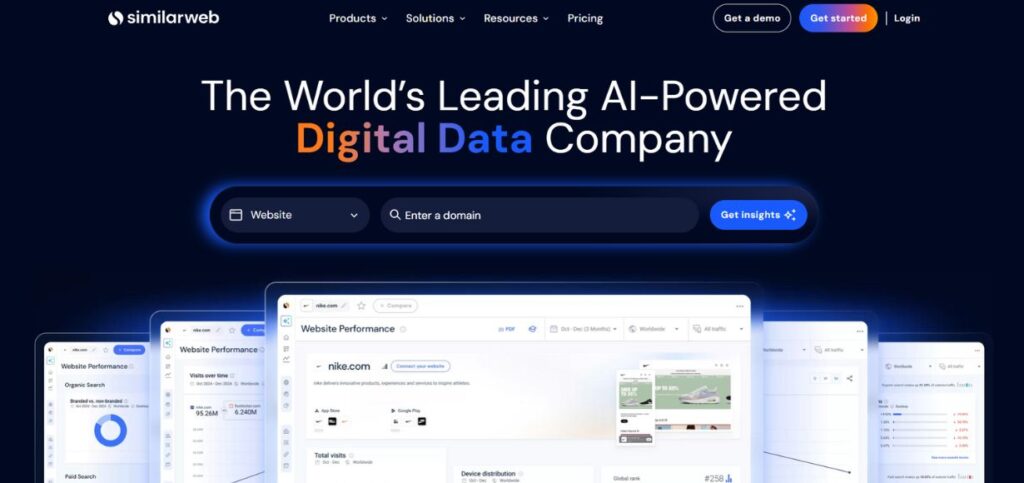
Similarweb is a competitive intelligence provider that specifically aims at digital performance, offering end-to-end insight into the traffic patterns within a website, the demographics of the audience, and the web behaviour of the online users. This all-in-one platform allows businesses to compare their online performance with their competitors, compare sources of traffic, comprehend metrics involved in engagement, and determine the opportunity to grow using data from the outside. The tool is effective in exposing the competition on how they attract and retain visitors, which marketing channels make them successful, and what content appeals to common target audiences.
Key Features:
- Website traffic analysis
- Audience demographic insights
- Competitive benchmarking tools
- Industry trend analysis
- Mobile app analytics
Pros:
- Simultaneous multi-competitor comparison
- Comprehensive digital insights
- Superior data accuracy
Cons:
- Search engine data focus
- Geographic accuracy limitations
- High cost relative to value
Pricing: Plan starts from $125 monthly
5. AlphaSense
Rating: 4.6/5
Website: https://www.alpha-sense.com/
Best Use Cases: Financial services research, investment analysis, and deep qualitative market intelligence
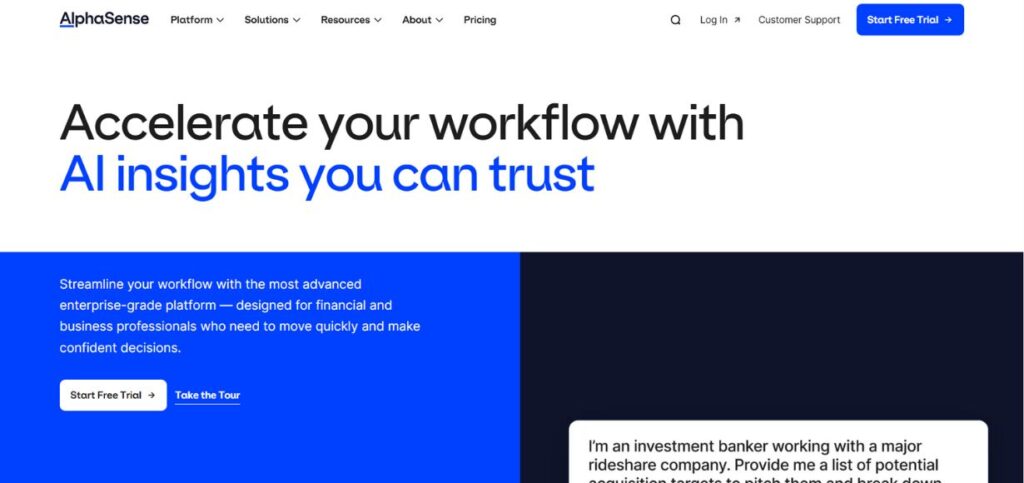
AlphaSense is a high-end market and competitive intelligence platform, especially popular with financial services, consultancy firms, and S/P 100 firms that need advanced research functions. The site provides value added by a comprehensive coverage of content such as SEC filings, earnings call transcripts, interviews with experts, regulatory filings, equity research, trade journals, and collections of proprietary broker research. The feature entails that AlphaSense is particularly useful to investment professionals, strategy advisors, and corporate development teams involved with in-depth due diligence or market evaluation.
Key Features:
- Extensive document repository
- Expert transcript library
- AI-powered search functionality
- Predictive content recommendations
- Enterprise data management
Pros:
- Proprietary expert call access
- Advanced search capabilities
- Real-time customizable alerts
Cons:
- Feature complexity overwhelms users
- Limited collaborative capabilities
- Prohibitively expensive scaling costs
Pricing: Custom pricing
6. Crayon
Rating: 4.3/5
Website: https://www.crayon.co/home
Best Use Cases: Sales enablement, battle card creation, and B2B competitive positioning
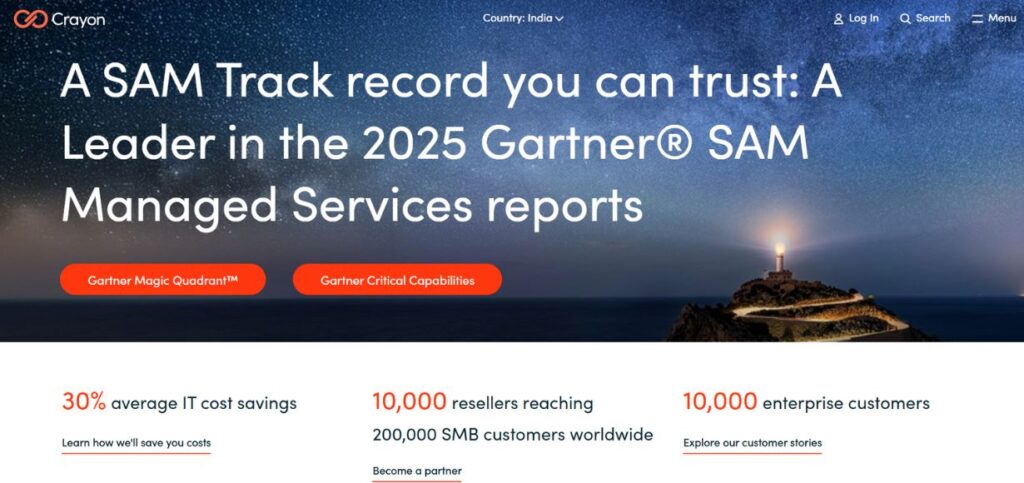
Crayon is a competing intelligence platform that is geared towards dominating sales and marketing divisions in B2B business. The strategic orientation of the platform is to assist organisations in winning and retaining customers by providing them with timely competitive insights directly into the sales workflows. Crayon is skilled in developing and sustaining dynamic battle cards- brief competitive comparison reports that sales teams use when talking to customers to successfully situate their solutions compared to competitors.
Key Features:
- Dynamic battle card templates
- Website change monitoring
- CRM integration capabilities
- Customizable intelligence dashboards
- Role-based access management
Pros:
- Automated battle card updates
- Seamless CRM integration
- Easy competitive link sharing
Cons:
- Expensive pay-per-competitor pricing
- Limited AI capabilities
- Scalability constraints
Pricing: Customer reviews indicate starting prices around $15,000 annually
7. Watchmycompetitor
Rating: 4.2/5
Website: https://www.watchmycompetitor.com/
Best Use Cases: Hybrid intelligence delivery, social media competitive tracking, and curated insights
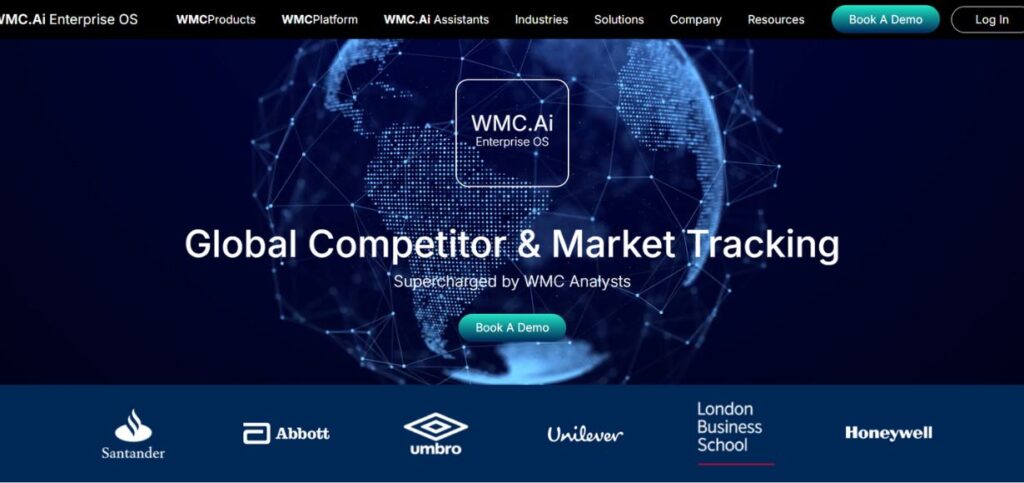
Watchmycompetitor is unique in that it integrates automated digital monitoring with the human intelligence of analysis to form a hybrid solution that balances technological effectiveness with situational insight. The best competitive intelligence tool on the platform is especially useful, showing competitor operations in easily readable chronological order that helps to see trends and development directions through different periods of time. The intelligence delivered to various departments, such as sales, marketing, product development, strategy, etc., can be customised as per their needs and priorities with watchmycompetitor and the customizable reporting features. Watchmycompetitor will provide a moderation between human insight and technological automation, as sought after by organisations that respect human understanding and competitive intelligence tools methodologies.
Key Features:
- Automated digital tracking
- Human analytical curation
- Timeline visualisation functionality
- Enterprise system integration
- Customizable reporting templates
Pros:
- Consolidated social media dashboard
- Valuable curated newsletters
- Exceptional customer support
Cons:
- Cost increases with competitors tracked
- Occasional tagging inaccuracies
- Customization complexity
Pricing: Custom pricing
8. Kompyte
Rating: 4.1/5
Website: https://www.kompyte.com/
Best Use Cases: Product marketing intelligence, sales enablement, and win/loss analysis
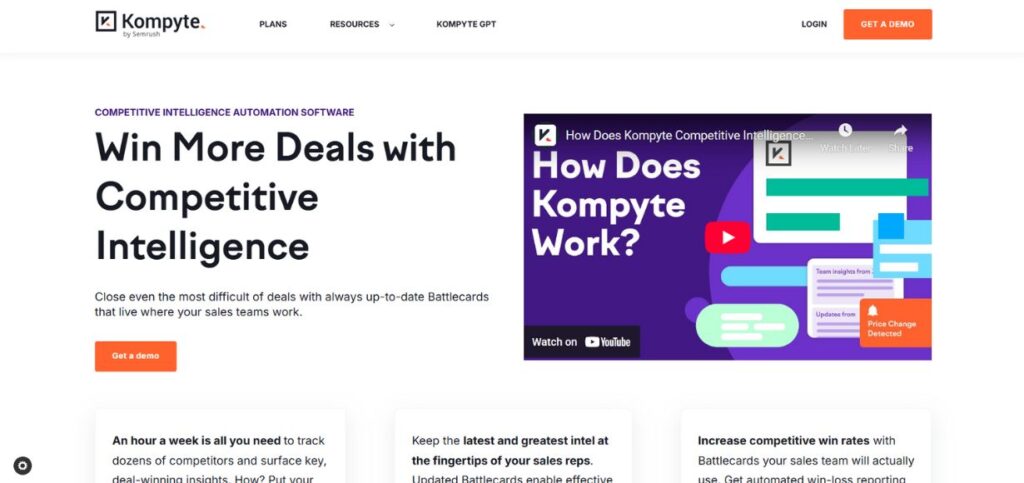
Kompyte has a very limited scope of operation, as it only supports the product marketing and sales enablement business activities of the company, offering specific tools that directly enhance sales and competitiveness. The platform also automates the process of tracking competitors’ multi-channel, providing updates in real time, which will make sales departments aware of competitor operations, changes in messages, and strategy. One of the strengths of Kompyte is its battle card feature in the sense that the templates that are available on the platform can be accessed by sales representatives with ease and used to consult when dealing with customers in order to effectively differentiate the solutions that are offered.
Key Features:
- Sales battle card templates
- Win/loss analysis tools
- AI-generated daily summaries
- Real-time competitor monitoring
- CRM integration capabilities
Pros:
- Automated battle card updates
- Direct CRM integration
- Real-time activity monitoring
Cons:
- No expert transcript library
- Limited content filtering
- Narrow functional focus
Pricing: Custom pricing
9. SpyFU
Rating: 4.0/5
Website: https://www.spyfu.com/
Best Use Cases: Digital advertising research, SEO competitive analysis, and keyword strategy development
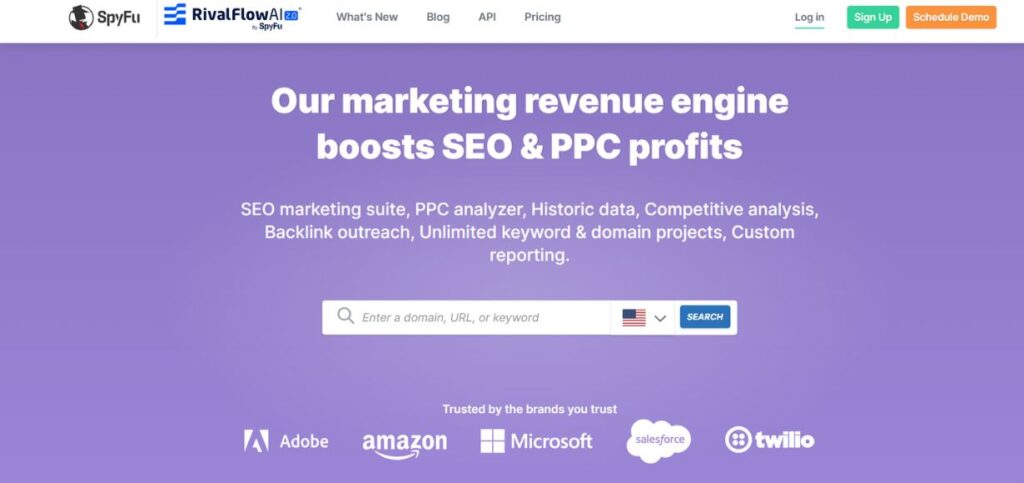
SpyFU is an intelligence agency focused on digital marketing, especially SEO and paid advertising competitive analysis. Through the platform, businesses can also reverse-engineer how their competitors are executing their digital marketing strategies, including what keywords they are targeting, which advertisements they are placing, how much they are spending on their advertising, and which tactics are yielding the best outcomes. Such transparency assists marketing groups with recognising opportunities, preventing expensive errors, and streamlining their own digital campaigns by leveraging tested competitive strategies.
Key Features:
- SEO auditing capabilities
- PPC competitor research
- Content strategy recommendations
- Domain authority improvement tools
- Real-time alert system
Pros:
- Detailed advertising strategy insights
- Valuable keyword analysis
- Dedicated backlink research tools
Cons:
- Limited CI breadth
- Basic search functionality
- Non-intuitive graph visualisations
Pricing: Professional plan at $49 monthly
10. Wide Narrow
Rating: 4.3/5
Website: https://www.infodesk.com/intelligence_super_tool
Best Use Cases: Strategic intelligence delivery, flexible reporting, and multi-functional business insights
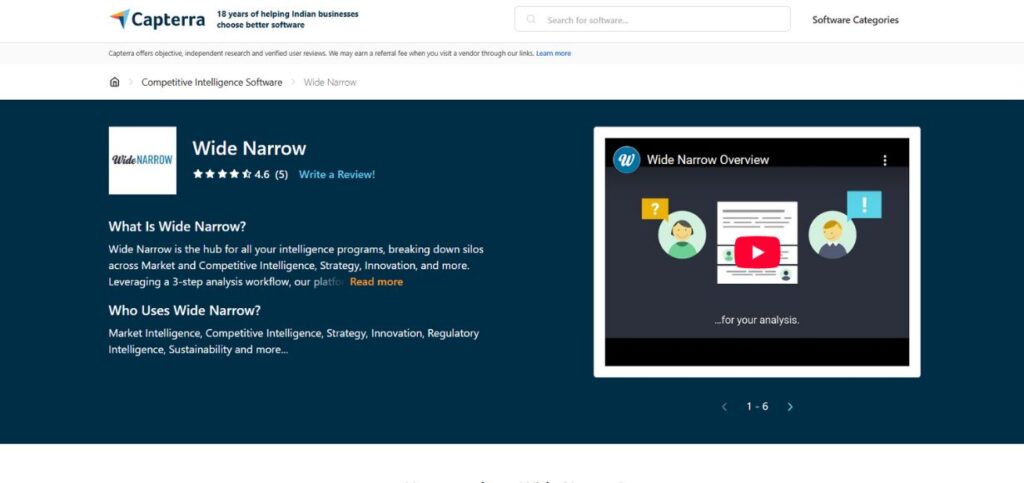
Wide Narrow is a complete market and competitive intelligence solution that is especially strong in terms of flexible reporting and distributed intelligence. Introduced in 2018 and then purchased by data aggregator InfoDesk, the platform enjoys the benefits of more advanced data sourcing and continuous investment in innovation. The easy-to-use interface of Wide Narrow allows an intelligence team to collect, filter, tag, and control competitive information in a centralised repository, avoiding the fragmentation of information available to different organisational silos.
Key Features:
- Unified data collection and aggregation
- Support for diverse use cases
- Wide range of third-party connector options
- Pre-built reporting templates
- Dynamic and engaging data visualisations
Pros:
- Cutting-edge AI functionality
- Adaptable reporting system
- Instant configurable notifications
Cons:
- Depends on Visualping for monitoring
- Labour-intensive configuration process
- Lacks an expert consultation library
Pricing: Custom pricing
11. Valona Intelligence
Rating: 4.2/5
Website: https://valonaintelligence.com/
Best Use Cases: Full-service intelligence delivery, global market coverage, and human-AI hybrid analysis
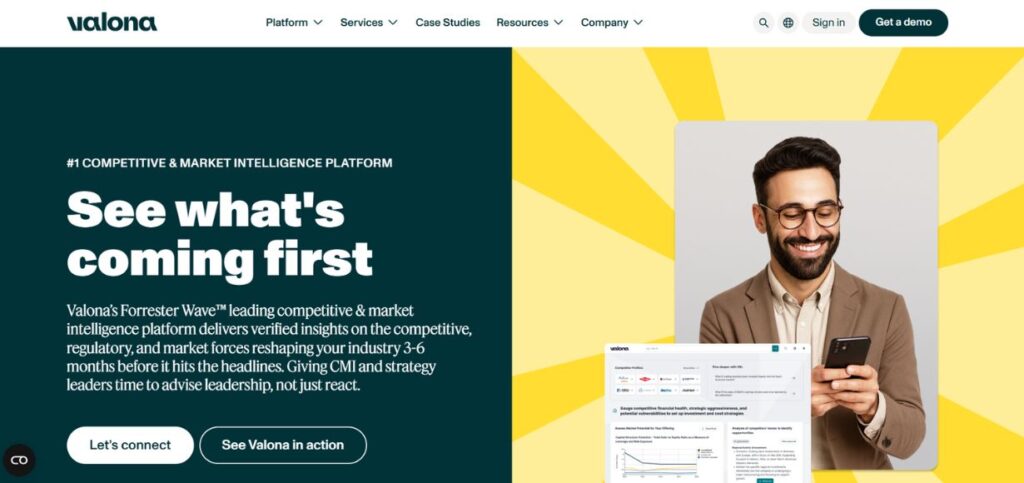
Valona Intelligence (previously M-Brain) offers complete competitive intelligence solutions, which is a combination of artificial intelligence and human expertise analysis, and offers complete service industry and competitor intelligence services, geographically. Its distinct characteristic that makes it unique is its hybrid nature- the data are processed via AI to generate efficiency, but with human analysts to add context, nuanced details, and strategic recommendations that cannot be obtained when using pure automation. It is especially true in complicated international markets, where human judgment is needed when it comes to culture and body language.
Key Features:
- The combination of field-based intelligence.
- Complex labelling and classifying system.
- Data visualisation and data analysis tools.
- Functionality of performance comparison and benchmarking.
- News digest and summarisation using AI.
Pros:
- All-encompassing intelligence services.
- AI-generated content summaries.
- Uninterrupted integration of the enterprise systems.
Cons:
- Lack of an expert consultation library.
- Basic search functionality
- Difficult learning experience at the beginning.
Pricing: Custom pricing
How to Choose the Right Competitive Intelligence Tools
Choosing the right competitive intelligence platform is a long-term strategic choice that will impact your organisational effectiveness, and you will have to evaluate your needs, limitations, and goals carefully. The marketplace provides a variety of solutions, such as free basic tools and others as enterprise platforms, all with their own advantages, limitations, and optimal applications that might or might not work best with your needs.
- State Your Intelligence Objectives: Start by wetting your whistle by stating the questions that you require competitive intelligence to answer. Do you mainly concentrate on tracking the effectiveness of digital marketing, monitoring product development, or understanding pricing strategies, market trends, or sales enablement? Various platforms are best at different tasks.
- Evaluate Integration Requirements: Competitive intelligence is most valuable when it is integrated into the current workflows and not as independent systems that need their own logins and manual transfer of information.
- Think about Scalability and Flexibility: What will the competitive intelligence requirements of your business grow as you expand, venture into new markets, battle new competitors, or change your strategic focus?
- Assess Total Cost of Ownership: In addition to the mentioned subscription fees, think about total costs such as implementation, training, maintenance in the long run, integrations, and internal resources needed in terms of managing the platform.
- Focus on User Experience and Adoption: The most advanced competitive intelligence platform will be of no value when teams do not use it. Ease of use (intuition) of the interface, learning curve, mobile access, and user experience using free trials or demos.
Conclusion
Competitive intelligence has developed beyond the infrequent research by hand to a strategic necessity with the aid of advanced technological systems that convert large volumes of information into practical business knowledge. The 11 tools discussed in this extensive guide are a variety of competitive intelligence methods, including dedicated digital marketing intelligence tools and elaborate enterprise-wide market intelligence solutions, with their own value propositions that align with various organisational requirements, budgets, and strategic environments.
With the pace of competitive changes increasing and market disruption becoming more common across all industries, any organisation that systematically collects, analyses, and takes action on competitive intelligence will always be more successful than one that uses intuition, anecdotal data, or reactive strategies. The investment in proper competitive intelligence tools is not just a technology acquisition but a strategic investment in the use of data in making decisions, being a proactive marketer, and achieving sustainable competitive advantage.
Through a critical assessment of your requirements in comparison with the capabilities described in this guide, you will be able to choose solutions that will help you convert competitive intelligence into a strategic capability you can use to make better decisions, respond more quickly, and better position your company in the market.
Frequently Asked Questions
Q1: What is the difference between competitive intelligence tools and the general market research sites?
A: Competitive intelligence systems are geared more towards monitoring competitor actions, strategies, and performance in real time, whereas market research platforms are generally more broad-based on industry analysis, consumer information, and market sizing data. CI tools will be used to provide automatic tracking of particular companies permanently, providing alerts regarding tactical modifications, whereas market research can be conducted as periodic research based on the analysis of market trends and customer behaviours at large.
Q2: Do competitive intelligence tools properly work with small budgets?
A: Free basic monitoring can be provided through such tools as Google Alerts, and low-cost alternatives such as the Basic plan of SpyFU (9/month) and the Pro tier of SEMRush can offer a lot of value to a smaller budget. The trick is to match the level of the tool to real requirements instead of trying to get enterprise-level capabilities long before they become needed. Numerous small enterprises have been able to utilise free and low-cost tools and develop powerful intelligence programs.
Q3: What benefits do AI-based competitive intelligence systems have over existing methods of monitoring?
A: AI-driven tools work to automate data gathering in multiple sources at once, analyse information more quickly than human expertise, detect trends and patterns in large resources, eliminate information noise by smart filtering, and provide insights into the upcoming competitive actions. They replace manual research that requires labour with scalable intelligence operations that are efficient and liberate human analysts to carry out strategic interpretation and also provide decision support.
Q4: What are the metrics that organisations need to be tracking to gauge the competitive intelligence ROI?
A: Some of the important metrics are improvements in the speed of decision making, an increase in revenue from a competitive insight, a change in market share, improvement in win/loss rate, value of information that is delivered beforehand of a threat that has been identified, time saved over manual research, and rate of adoption by the target users. Qualitative measures such as improvement of strategic alignment and increased cross-functionality brought about by shared competitive knowledge should also be monitored in the organisation.
Q5: What is the frequency with which the competitive intelligence platform is updated or reassessed?
A: To maintain alignment with the changing business requirements, current business environment, and the technologies, organisations are to carry out extensive platform reviews on an annual basis. Nonetheless, regular surveillance of the platform use, user satisfaction, and intelligence performance is to be made quarterly.